Home › Duct Sanitizing
Duct Sanitizing
Duct sanitizing and antimicrobial treatment — only as part of mold work, after cleaning, under AC Contractor license CAC1822191.
Duct sanitizing is the antimicrobial treatment applied to ductwork after cleaning, when mold is part of the job — and that order is the whole point of this page. Sanitizer sprayed into a dirty duct treats the top layer of the dust and debris mold is feeding on, and accomplishes very little. Sanitizer applied to a freshly cleaned duct, where growth was found and removed, treats the duct surface itself. We offer duct sanitizing only as part of mold work, performed under AC Contractor license CAC1822191 — never as a stand-alone spray-and-go service.
Why sanitizing comes second, not first
Mold in ducts lives in and on the buildup lining them. Until that buildup is physically removed by duct cleaning, there is no clean surface to treat. So our sequence on a mold job is fixed: inspect, clean the ducts, then sanitize with an antimicrobial product made for ductwork, applied to supply and return runs and the air handler surfaces that feed them.
And sanitizing is not the last step either — moisture control is. An antimicrobial treatment does not repeal the laws of mold: if condensation keeps the ducts damp, growth can return on a treated surface. Sanitizing buys a clean start; fixing the moisture is what makes it stay clean.
What this service covers
- Antimicrobial duct sanitizing after duct cleaning, where mold is present
- Treatment of supply and return runs and accessible air handler surfaces
- Sanitizing as part of AC mold removal jobs — never a stand-alone spray service
- Moisture source check before treatment, so the treatment is not wasted
Duct sanitizing follows AC duct cleaning and sits inside our moisture control approach. One boundary, stated plainly: AC repair and replacement are handled by our sister company, Fast AC Repair Co. — our AC work is cleaning, moisture, and mold under license CAC1822191.
How the job runs
Confirm mold is present
We inspect first — sanitizing is prescribed for mold work, not sold as a routine add-on.
Clean the ducts
Dust, debris, and buildup are physically removed so there is a clean surface to treat.
Apply antimicrobial treatment
Duct surfaces are treated with a product made for ductwork, through the runs and at the air handler.
Fix the moisture
The condensation or drainage problem behind the growth is addressed, so the clean start lasts.
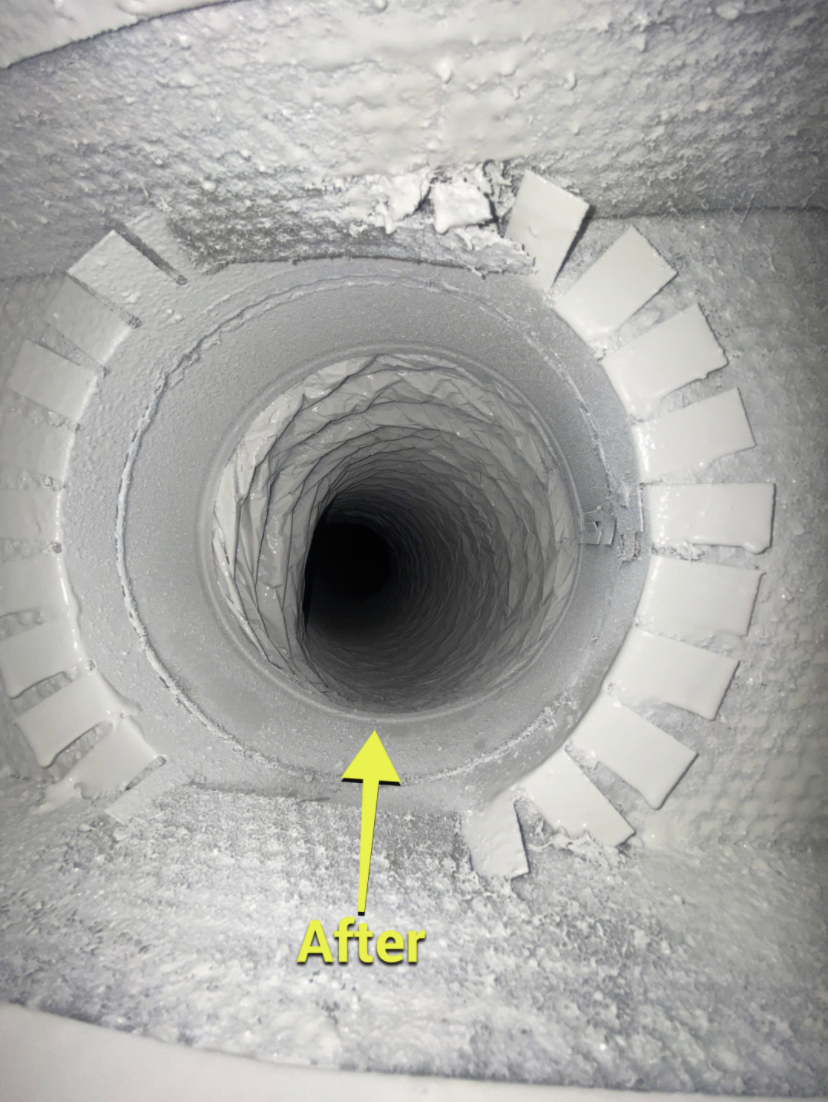
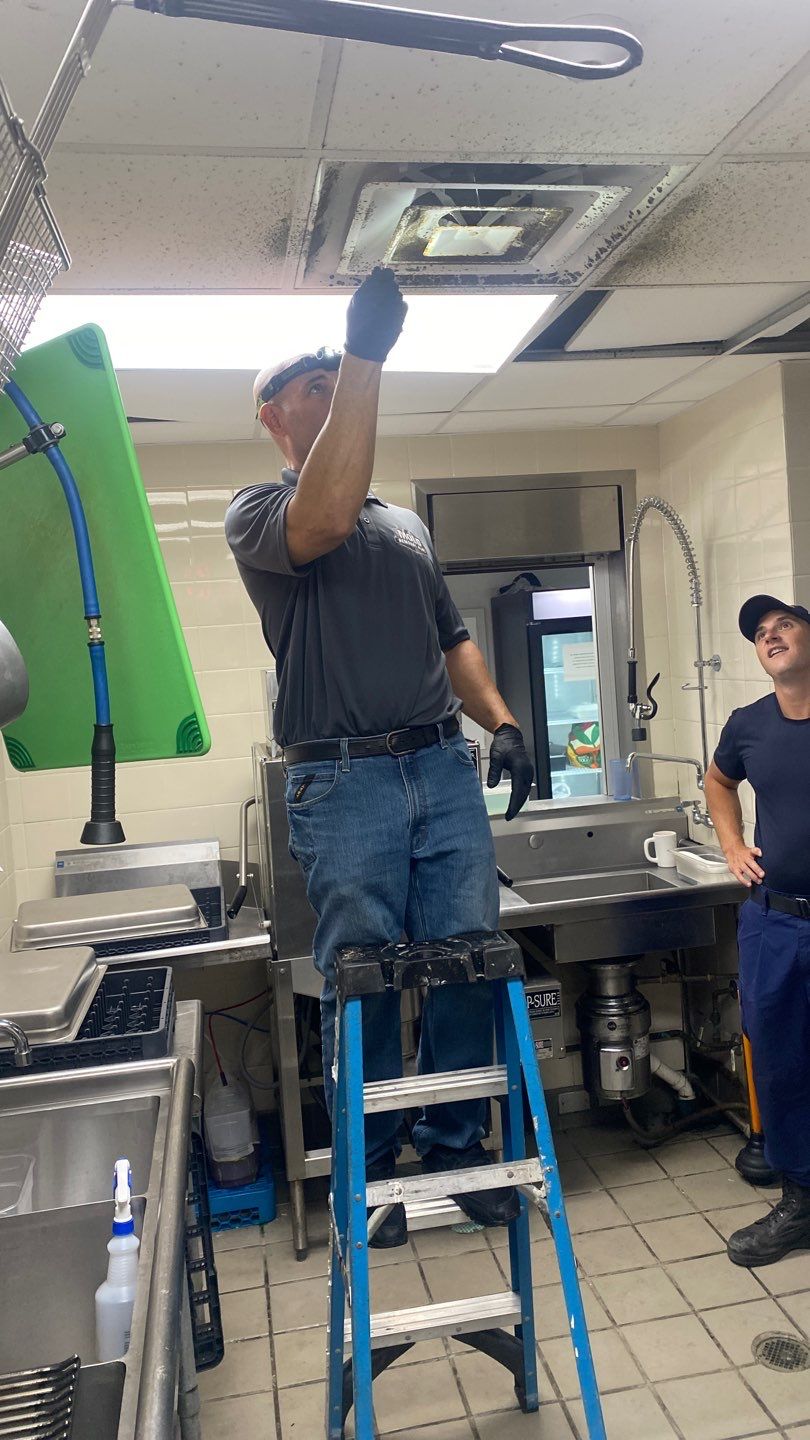
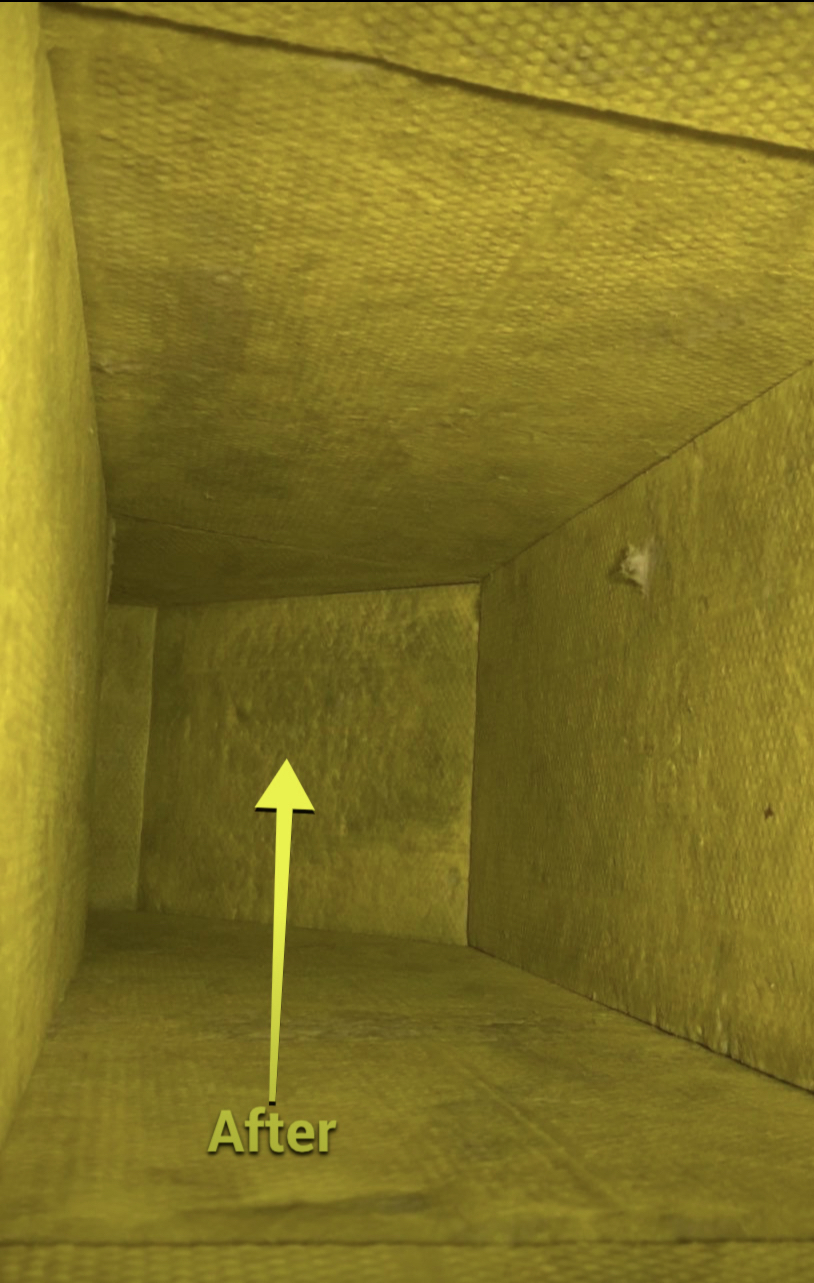
From real systems we clean
Frequently asked questions
Is duct sanitizing worth it on its own?
No — and we will not sell it that way. Sanitizer sprayed into dirty ducts treats the surface of the dirt, not the duct. It earns its place after a real duct cleaning on a job where mold was found, as the finishing treatment on a clean surface.
What product do you use to sanitize ducts?
An antimicrobial treatment made and labeled for use in ductwork and AC systems, applied after cleaning. We will tell you exactly what is being applied in your home before we apply it — that is a fair question and we answer it on every job.
Signs of mold in AC ducts
The signs of mold in AC ducts are a musty smell that starts when the AC kicks on and fades when it stops, visible dark growth around vent covers or inside the air handler, dust that builds back up unusually fast, and coughing, sneezing, or headaches that feel worse at home than away from it. In Florida, condensation inside ducts, coils, and drain pans gives mold the moisture it needs, so the smell from the vents is often the first warning.
What if my AC system is broken or at the end of its life?
Then it needs more than cleaning. AC repair and replacement are handled by our sister company, Fast AC Repair Co. Everything on this page — cleaning, moisture control, and mold treatment in the AC system — is performed by Mold Removal Plus under AC Contractor license CAC1822191.