
Home › AC Mold Removal
AC Mold Removal
AC mold cleaning for the whole system — coils, air handler, ducts, and drain pan — under AC Contractor license CAC1822191.
AC mold cleaning starts with a simple fact about Florida homes: the air conditioner is the wettest, darkest, most consistently damp place in the house, and it runs almost all year. Mold grows on the evaporator coil, inside the air handler, along the ducts, and in the drain pan — and every time the system runs, it can spread spores and that musty smell from the vents into every room. Our AC mold removal work is performed under AC Contractor license CAC1822191, and because we are also licensed mold assessors and remediators (MRSA4171 / MRSR4242), we inspect and test the system the same way we would any other mold job.
Where mold hides in an AC system
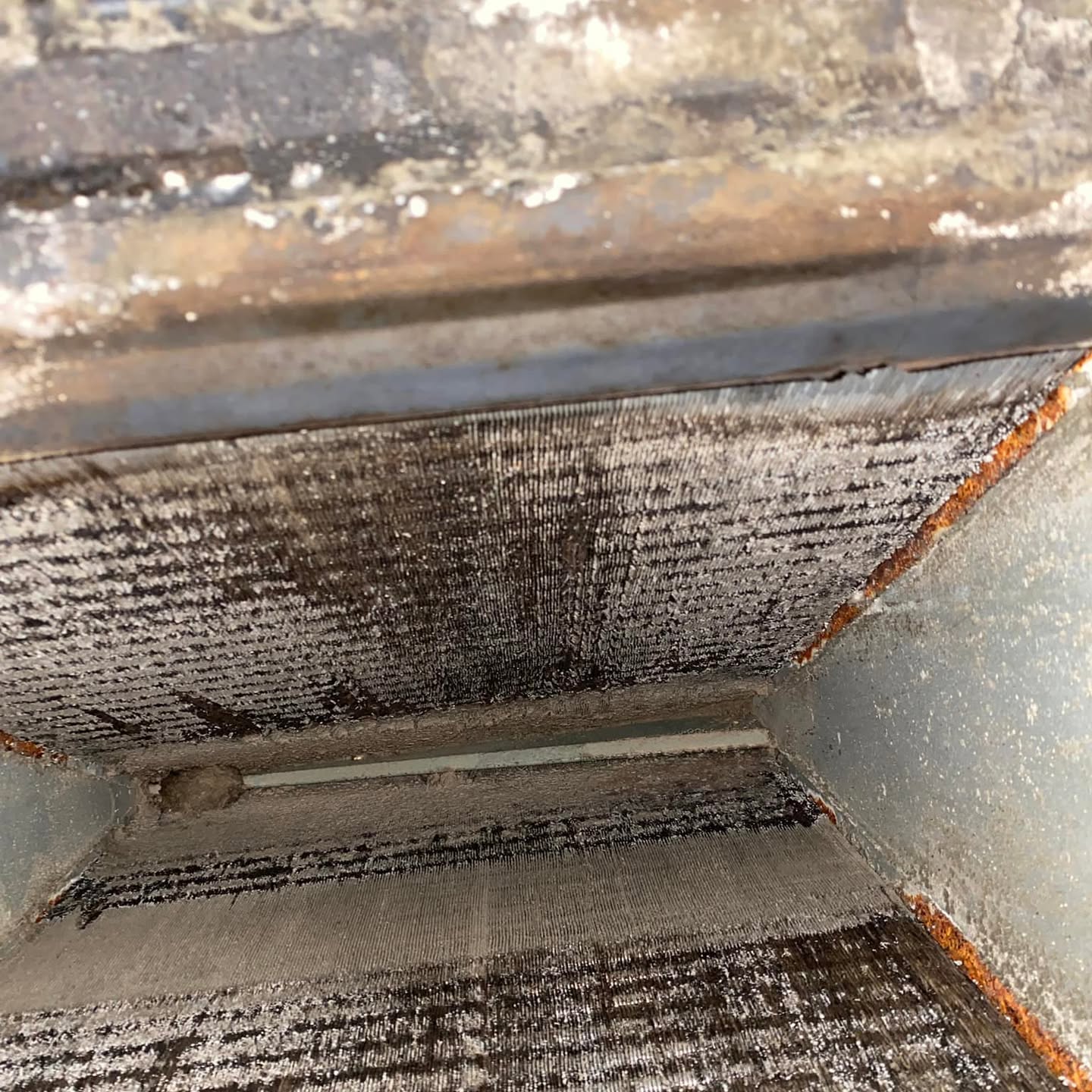
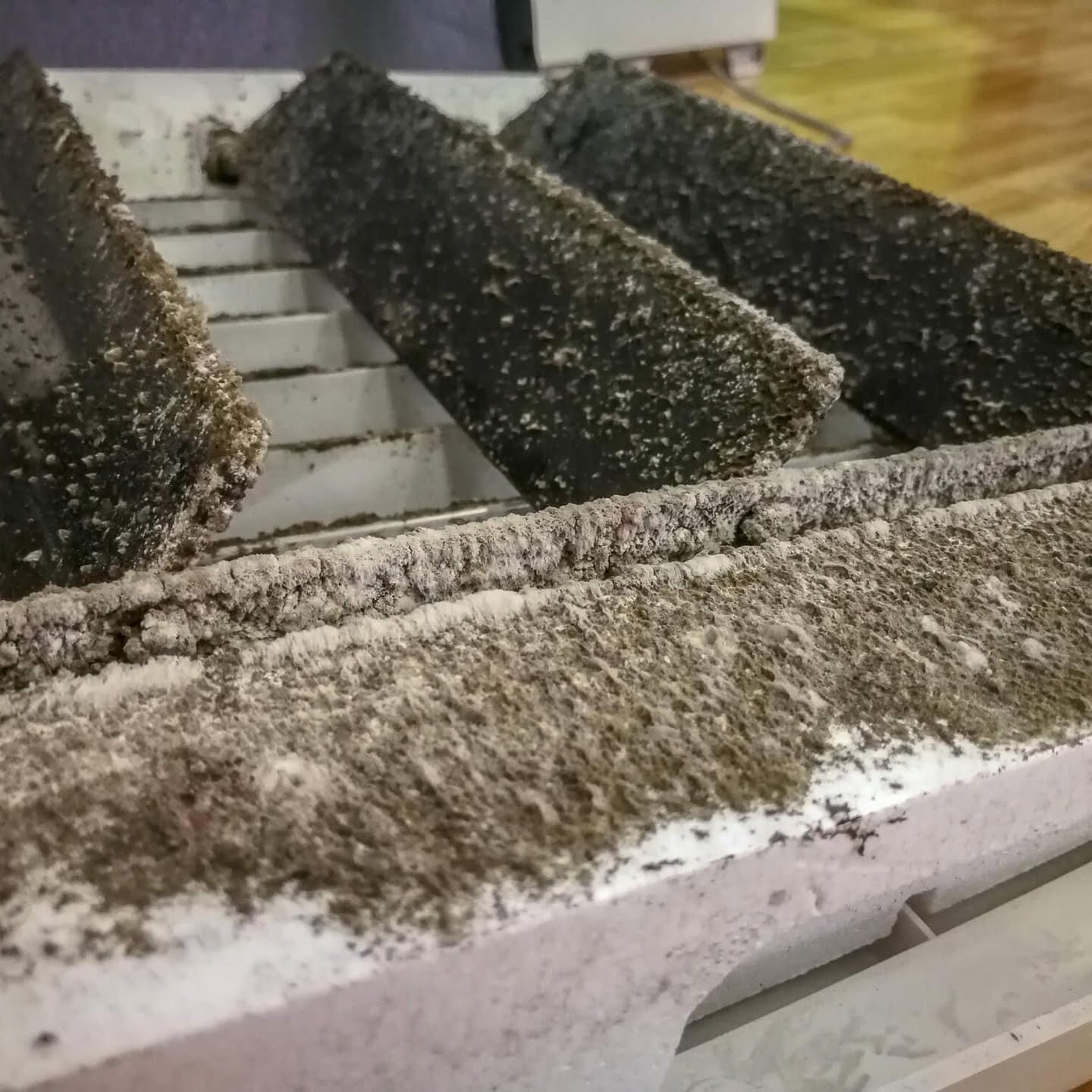
Homeowners usually meet AC mold as a smell first — a musty odor that starts when the system kicks on. The growth itself hides where you cannot see it: on the cold, wet fins of the evaporator coil; on the insulation and blower inside the air handler; in the dust lining the ducts, which gives mold food and a foothold; and in the drain pan, where standing condensate can sit for weeks. A clogged drain line makes it worse — the pan overflows, the cabinet stays wet, and the system keeps seeding the house every cycle.
That is why AC mold is a mold problem, not just a dirty-equipment problem. Wiping the vent covers does nothing about growth ten feet inside a duct run. The fix is to find every place it is growing, remove and treat it, and then fix the moisture conditions — condensation, drainage, and humidity — that let it start.
How we remove mold from the AC system
We start with an inspection of the coil, air handler, accessible ductwork, and drain pan, and testing where the extent of growth is not clear. Confirmed growth is removed and treated component by component: coil cleaning, air handler cleaning, duct cleaning, and duct sanitizing with antimicrobial treatment where mold is present. The drain line and pan are cleaned so the system drains dry instead of staying wet. Then we address moisture control — the step that decides whether the mold stays gone.
What this service covers
- AC system inspection for mold — coil, air handler, ducts, and drain pan
- Mold testing of the AC system where the extent of growth is not clear
- Evaporator coil cleaning and treatment for mold and buildup
- Air handler cleaning and mold remediation
- Duct cleaning and duct sanitizing / antimicrobial treatment
- Drain line and drain pan cleaning, and moisture control so mold does not return
One boundary, stated plainly: this is cleaning, moisture, and mold work under our AC Contractor license CAC1822191. AC repair and replacement are handled by our sister company, Fast AC Repair Co.
How the job runs
Inspect & test
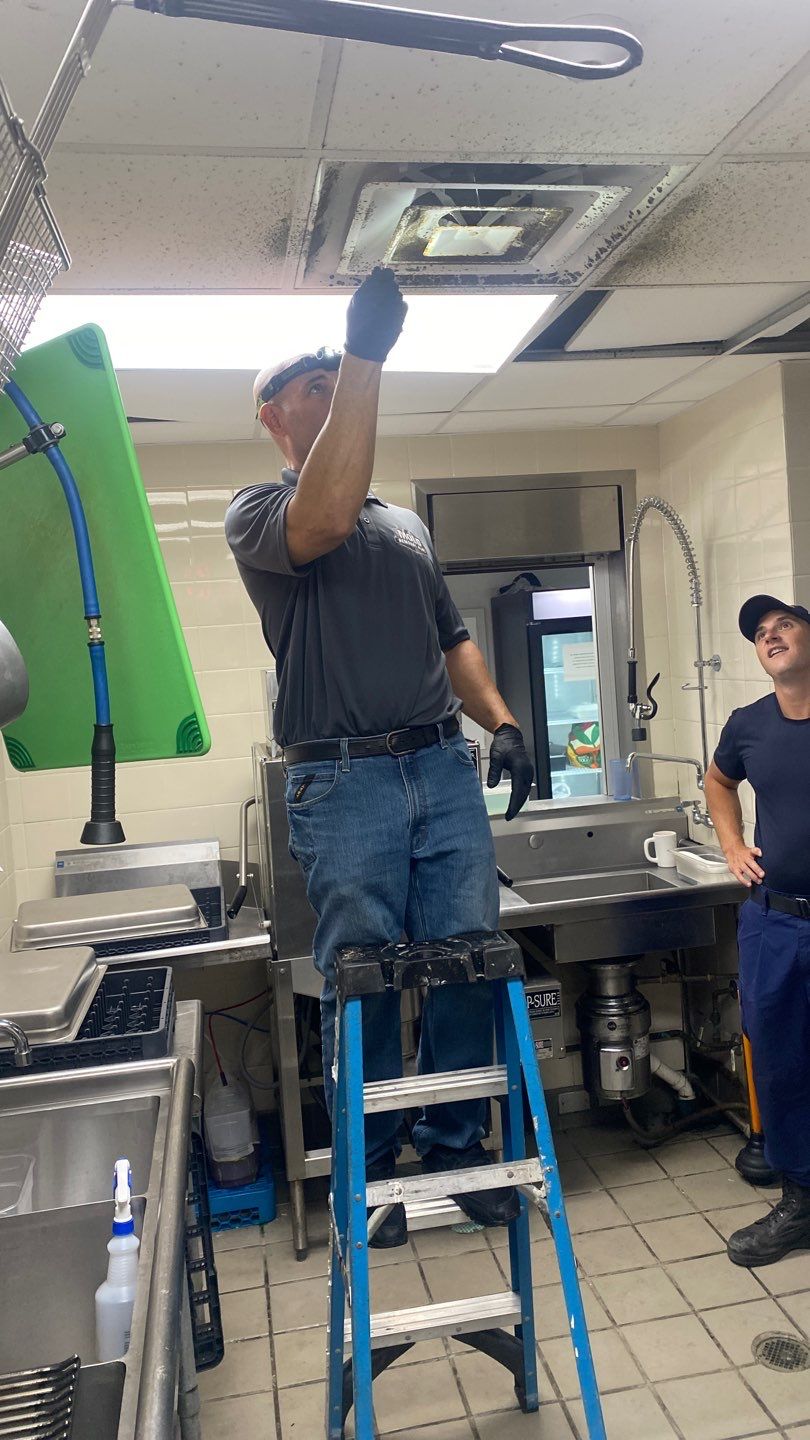
We open the air handler and check the coil, ducts, and drain pan, and test where growth is suspected but not confirmed.
Remove & treat
Growth on coils, in the air handler, and in the ducts is removed and treated with antimicrobial products made for AC systems.
Clean the drain path
The drain line is cleared and the pan cleaned, so condensate drains away instead of standing in the cabinet.
Fix the moisture
Condensation and humidity problems feeding the growth are corrected — the step that keeps mold from coming back.
Verify
We re-check the system and the air coming off the vents, and tell you plainly what we found and what we did.
From real systems we clean
Frequently asked questions
Signs of mold in AC ducts
The signs of mold in AC ducts are a musty smell that starts when the AC kicks on and fades when it stops, visible dark growth around vent covers or inside the air handler, dust that builds back up unusually fast, and coughing, sneezing, or headaches that feel worse at home than away from it. In Florida, condensation inside ducts, coils, and drain pans gives mold the moisture it needs, so the smell from the vents is often the first warning.
Where does mold grow in an AC system?
In the places that stay cold and wet: the evaporator coil, the inside of the air handler and its insulation, the dust lining the ducts, and the drain pan. Those are the four spots we inspect on every AC mold job, because cleaning only one of them leaves the others to re-seed the system.
Why does mold grow in an AC system?
An AC system makes condensation on purpose — cooling air wrings moisture out of it. That water collects on the coil and in the drain pan, dust gives mold something to feed on, and Florida humidity keeps the system damp between cycles. Given moisture, food, and darkness, mold does what it does everywhere else: it grows.
Will cleaning the AC stop mold from coming back?
Cleaning removes the growth and the buildup it feeds on, but mold comes back if the moisture stays. That is why every AC mold job we do pairs the cleaning with moisture control — clear drain lines and pans, condensation dealt with, and humidity kept in check — under AC Contractor license CAC1822191. Remove the growth and its water supply, and it has no reason to return.
What if my AC system is broken or at the end of its life?
Then it needs more than cleaning. AC repair and replacement are handled by our sister company, Fast AC Repair Co. Everything on this page — cleaning, moisture control, and mold treatment in the AC system — is performed by Mold Removal Plus under AC Contractor license CAC1822191.